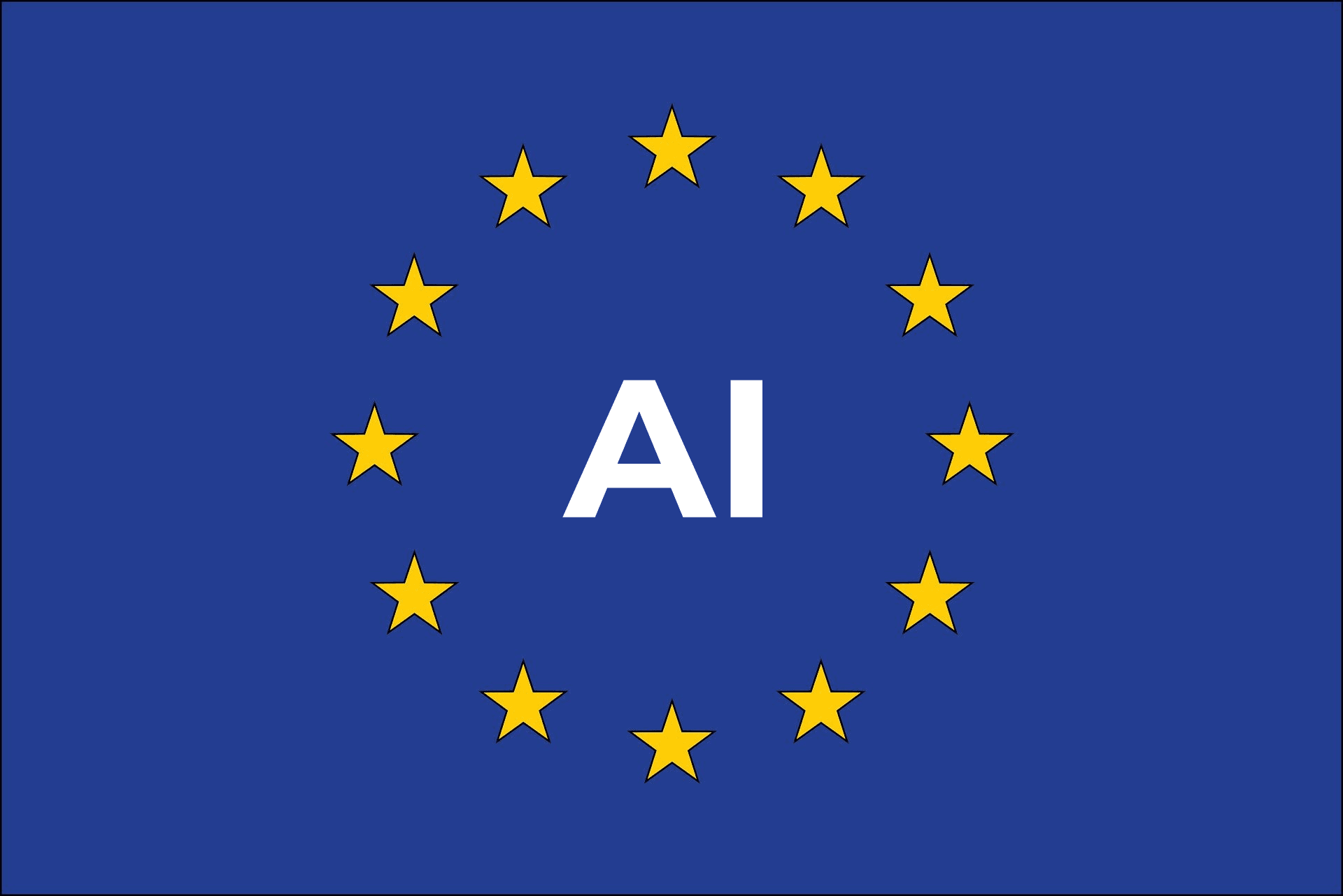
This centralization raises concerns about resilience, transparency, and sovereignty, issues that are particularly pressing for Europe as it seeks to define its own path in the digital age.
The European Union has long emphasized values of trust, privacy, and human-centric innovation. Its regulatory frameworks, from GDPR to the AI Act, are designed to ensure that technology serves society rather than undermines it. Against this backdrop, Swarm Intelligence offers a compelling vision for the future of AI in Europe: one that is collective, decentralized, and aligned with the EU’s strategic priorities.
Moving Beyond Centralized AI
Centralized AI architectures are powerful but brittle. They rely on massive datasets aggregated in single repositories, creating risks of bias, misuse, and privacy violations. They are also vulnerable to single points of failure. If the central system falters, the entire network suffers.
Europe’s emphasis on digital sovereignty highlights the dangers of this model. Dependence on centralized AI controlled outside the EU undermines autonomy and resilience. What Europe needs is not bigger silos, but smarter collectives — systems that can adapt, collaborate, and align with human values.
The Promise of Swarm Intelligence
Swarm Intelligence draws inspiration from nature, where collective behavior emerges from simple interactions. Bees swarm to find new hives, birds flock to migrate, and ants coordinate to build colonies. None of these systems rely on a central authority. Instead, intelligence emerges from the temporary collaboration of agents, each contributing to the whole.
Applied to AI, this means creating systems where agents can swarm together temporarily to complete a task and then disperse once the work is done. These swarms are dynamic, adaptive, and resilient. They do not require permanent hierarchies or centralized control. Instead, they assemble on demand, solve problems collectively, and dissolve efficiently.
This temporary swarming is a paradigm shift. It allows intelligence to be fluid rather than rigid, collective rather than siloed. It ensures that resources are used efficiently, with agents collaborating only when necessary. And it creates resilience, because no single agent or dataset controls the outcome.
Why Collective AI Fits the EU Strategy
The EU’s digital strategy emphasizes three pillars: trust, resilience, and sovereignty. Swarm Intelligence aligns naturally with all three.
Trust is built through transparency and decentralization. In swarm systems, decisions emerge from collective interactions rather than opaque algorithms. Privacy is preserved because data can remain local, with insights generated through collaboration rather than aggregation.
Resilience comes from distribution. If one agent fails, others adapt. Temporary swarming ensures that intelligence can be assembled on demand, without dependence on fragile central systems.
Sovereignty is reinforced because Swarm AI can be designed to operate within EU frameworks, respecting GDPR, the AI Act, and principles of human-centric innovation. Europe can lead in defining collective intelligence as a strategic alternative to centralized models dominated by non-EU players.
A Human-Centric Frontier
Swarm Intelligence is not about replacing humans with machines. It is about creating ecosystems where humans and AI collaborate. Temporary swarming of agents mirrors the way human teams assemble to solve problems: diverse perspectives come together, generate insights, and then disperse.
This human-centric approach ensures that AI remains a partner rather than a competitor. It aligns with Europe’s emphasis on ethical innovation, where technology augments human decision-making rather than undermines it.
The Ethical Imperative
Centralized AI raises profound ethical concerns. Concentrated power can lead to misuse, bias, and erosion of privacy. Swarm Intelligence offers a different path. By distributing intelligence across agents and enabling temporary collaboration, it reduces risks and enhances accountability.
Ethics are embedded in the architecture. Privacy is preserved because data does not need to be centralized. Bias is mitigated because multiple agents contribute perspectives, balancing one another. Accountability is enhanced because decisions emerge from collective interactions rather than opaque algorithms.
For Europe, this ethical foundation is not optional; it is essential. Trust is the cornerstone of EU tech strategy, and Swarm Intelligence provides a way to build AI that is both powerful and principled.
Building the Collective Future
The transition from siloed AI to Swarm Intelligence will not happen overnight. It requires investment in infrastructure, education, and governance. It requires organizations to embrace collaboration, decentralization, and adaptability. And it requires policymakers to support frameworks that encourage collective innovation.
But the direction is clear. The future of AI is not about bigger silos or more centralized control. It is about swarms — temporary, adaptive collectives that embody resilience, trust, and sovereignty.
Conclusion: Europe’s Moment to Lead
The future of AI is collective. Swarm Intelligence represents the next frontier, not because it is more powerful in isolation, but because it is more collaborative in practice. It offers Europe a chance to define a path that is aligned with its values, resilient in the face of uncertainty, and sovereign in its digital destiny.
By embracing Swarm Intelligence, the EU can lead the world in building AI that is trustworthy, ethical, and human-centric. It can move beyond silos into swarms, creating systems that assemble temporarily to solve problems and then disperse, leaving behind resilience rather than fragility.
At FenxLabs.ai, we believe this is not just a technological evolution but a societal one. The challenge is not whether to embrace collective intelligence, but how quickly Europe can make it the foundation of its tech strategy. The frontier is here, and it is collective.